
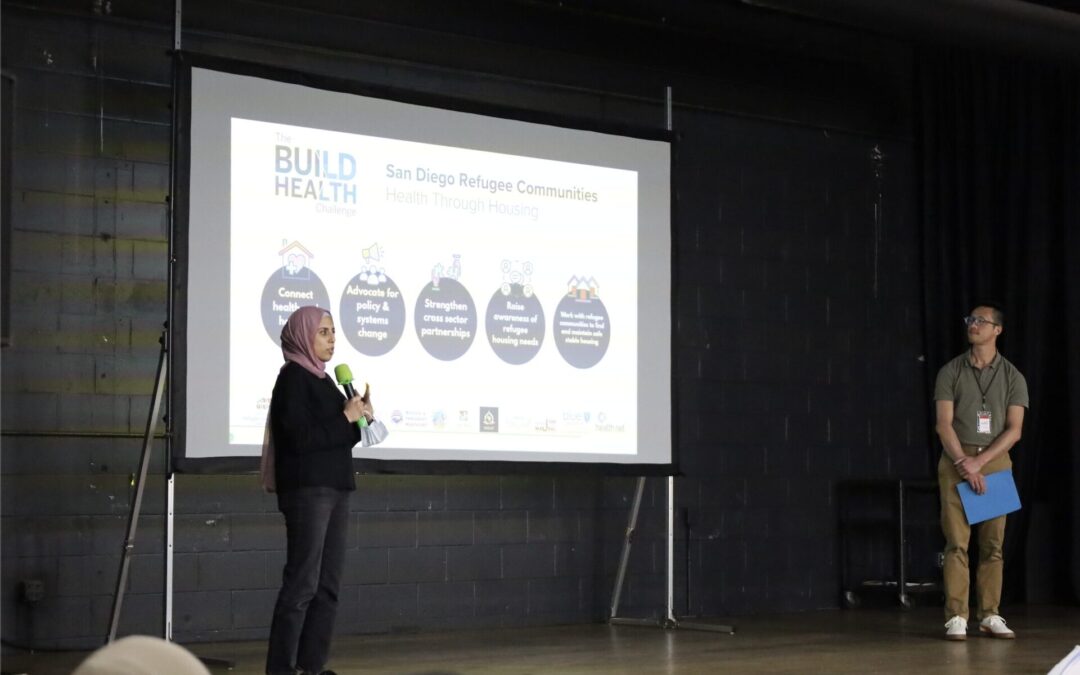
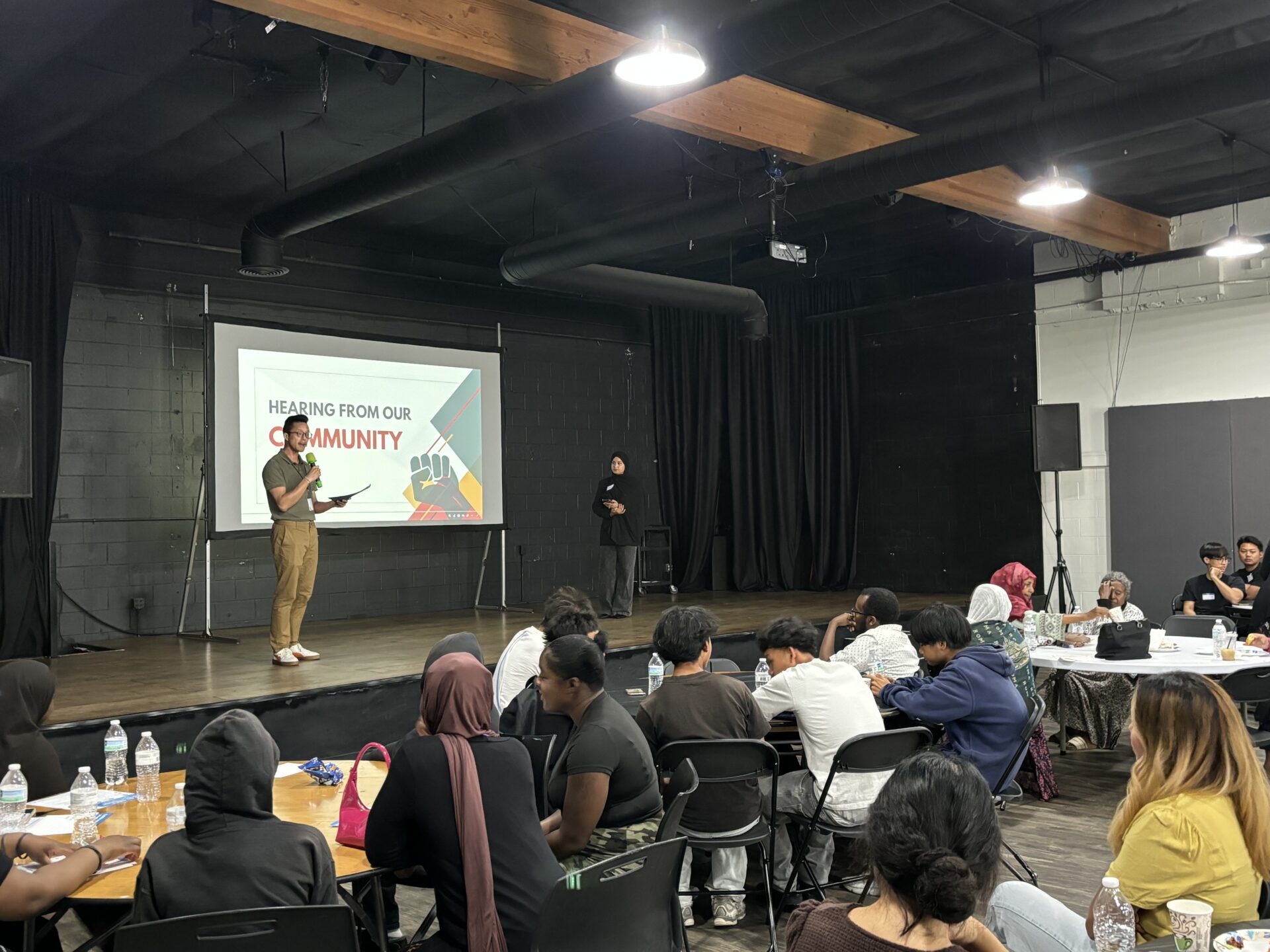
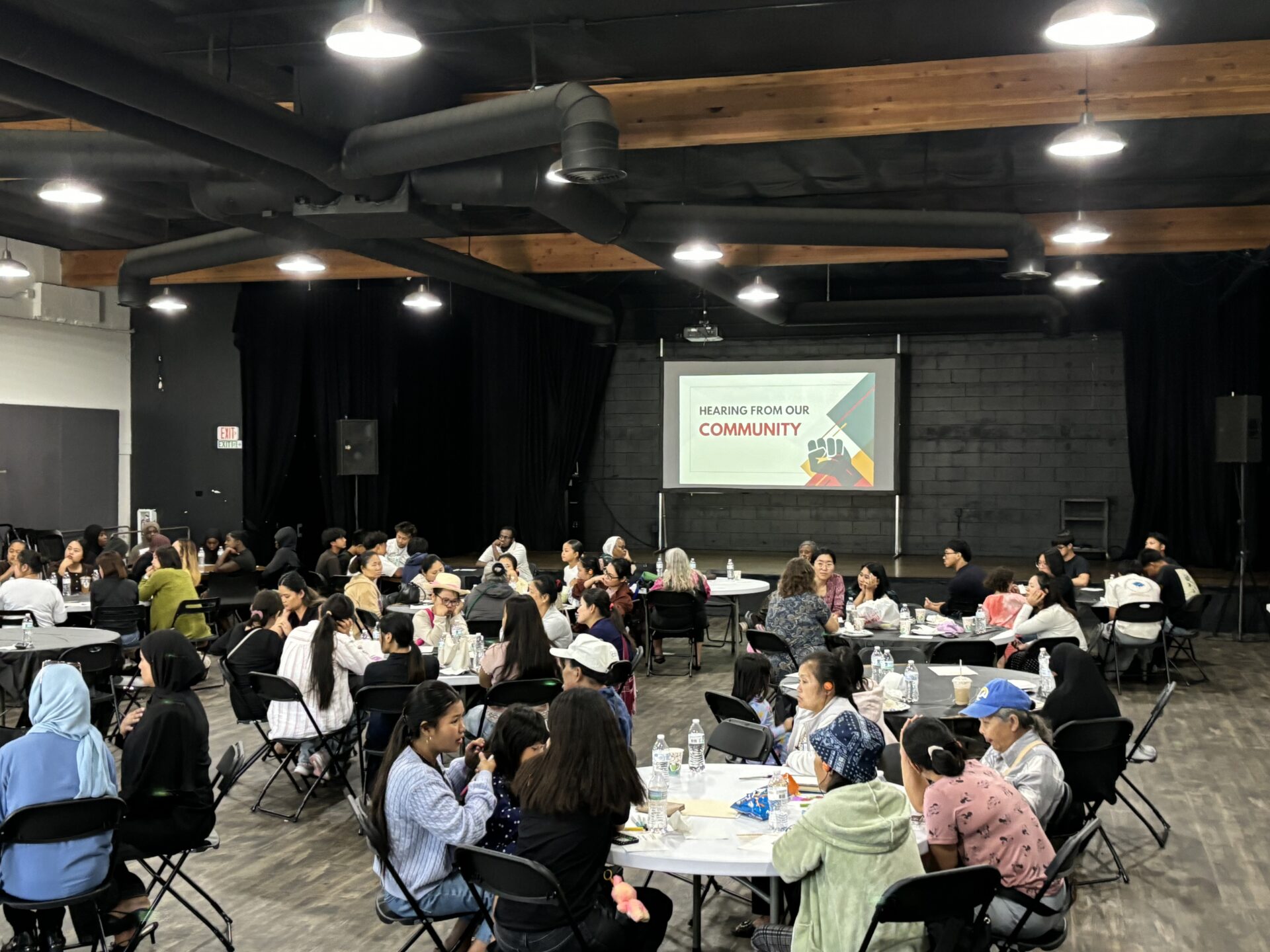
On Saturday, April 4th, 2026, the San Diego Refugee Communities Coalition (SDRCC) Policy Council, the Karen Organization of San Diego (KOSD), and United Women of East Africa Support Team (UWEAST), in partnership with the California Pan-Ethnic Health Network (CPEHN), hosted the Community Health Town Hall: Our Health, Our Home at the Partnership for the Advancement of New Americans (PANA) event hall. This event was also supported by the UC San Diego Refugee and Immigrant Health (RIH) Unit.
The gathering brought together nearly 100 community members and organizational partners for an afternoon rooted in shared learning, connection, and collective action. Centered on the immediate impacts of recent Medi-Cal budget cuts, the town hall created a space where community voice, lived experience, and practical support came together under one roof.
A Space for Education, Access, and Collective Support
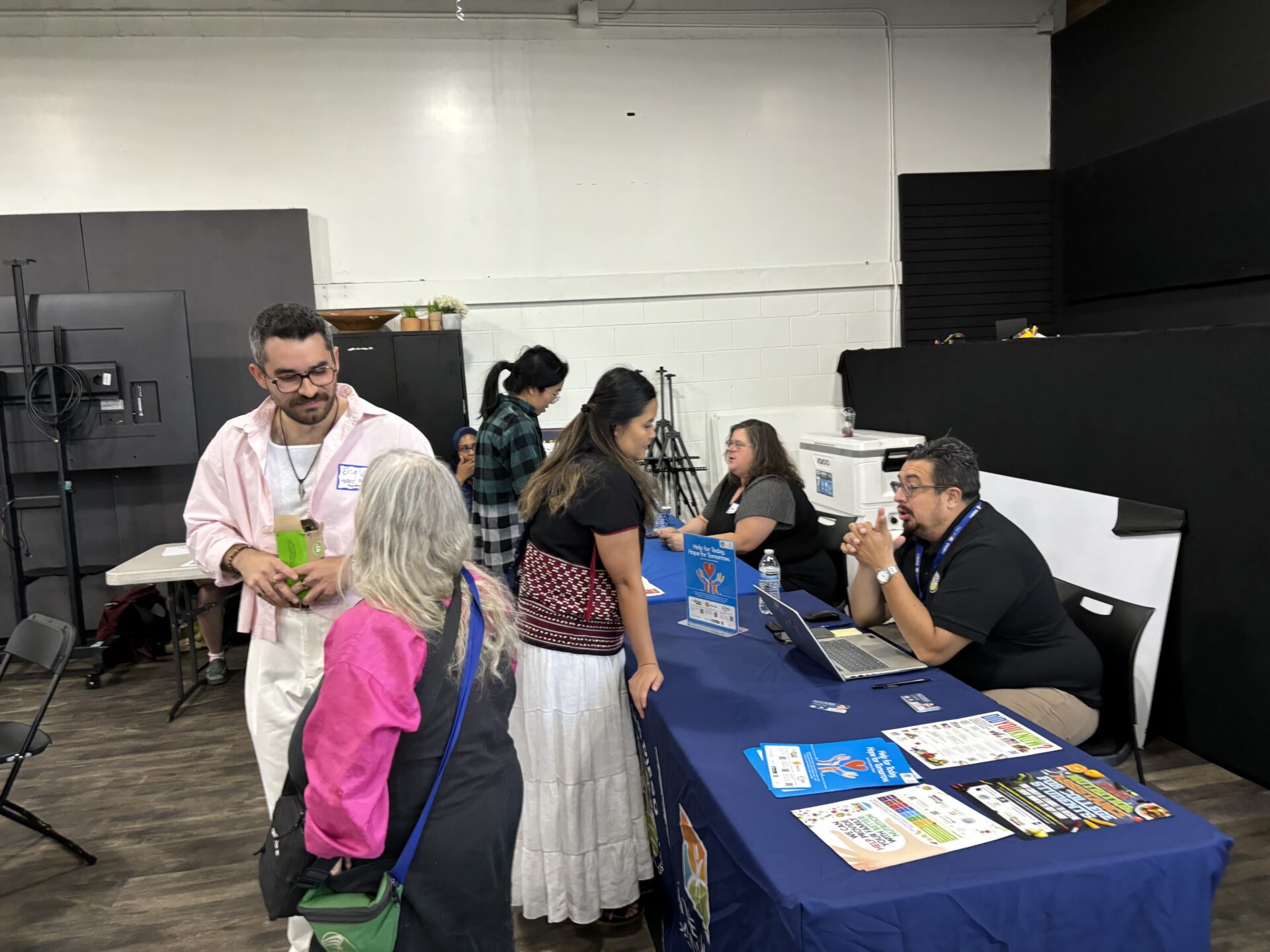
At its core, the event was designed to go beyond mere information sharing and instead directly respond to community needs. Community members were welcomed into a space that offered accessible, multilingual education on how Medi-Cal changes may impact families across San Diego, along with hands-on enrollment support and direct resource navigation.
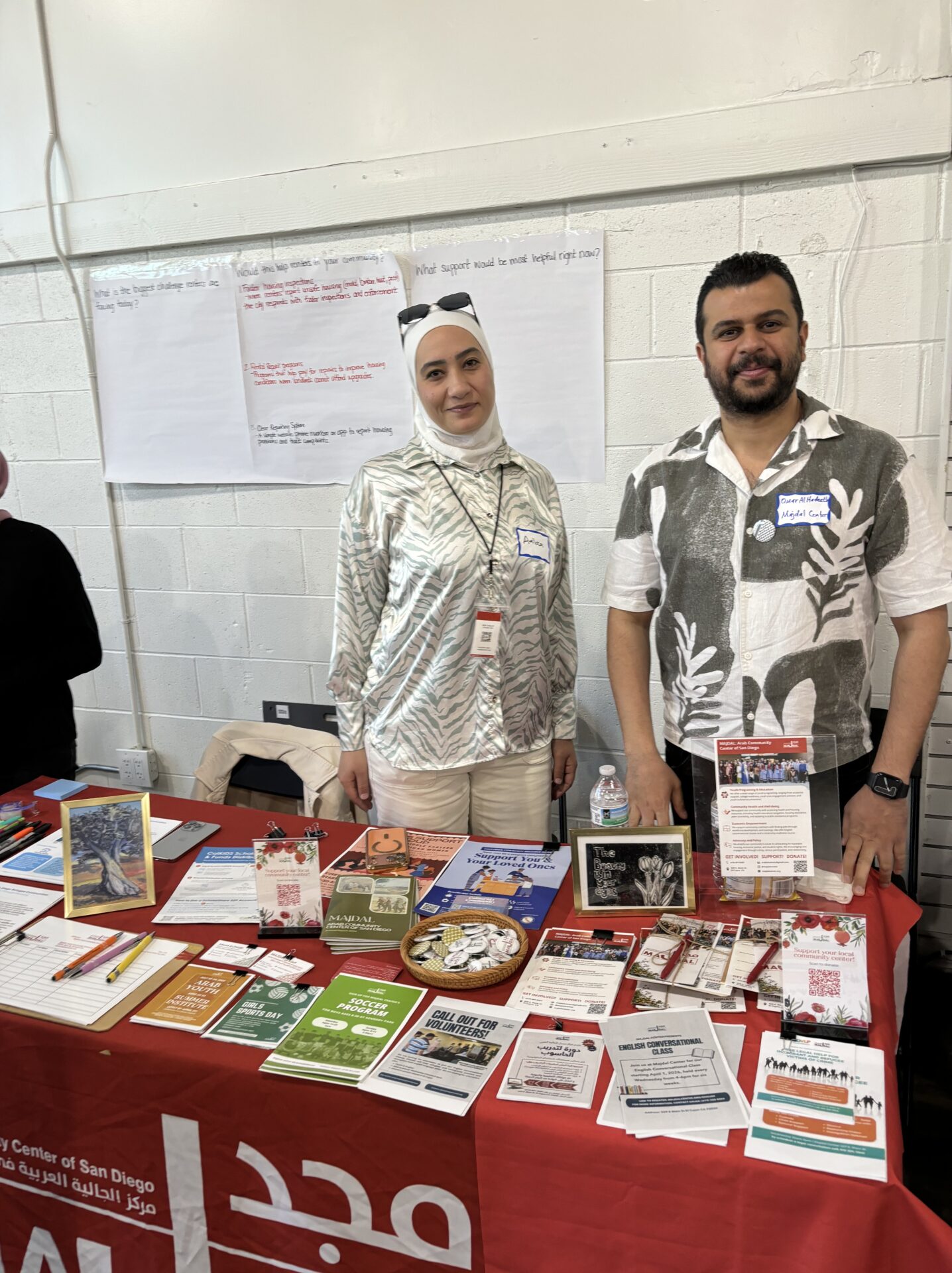
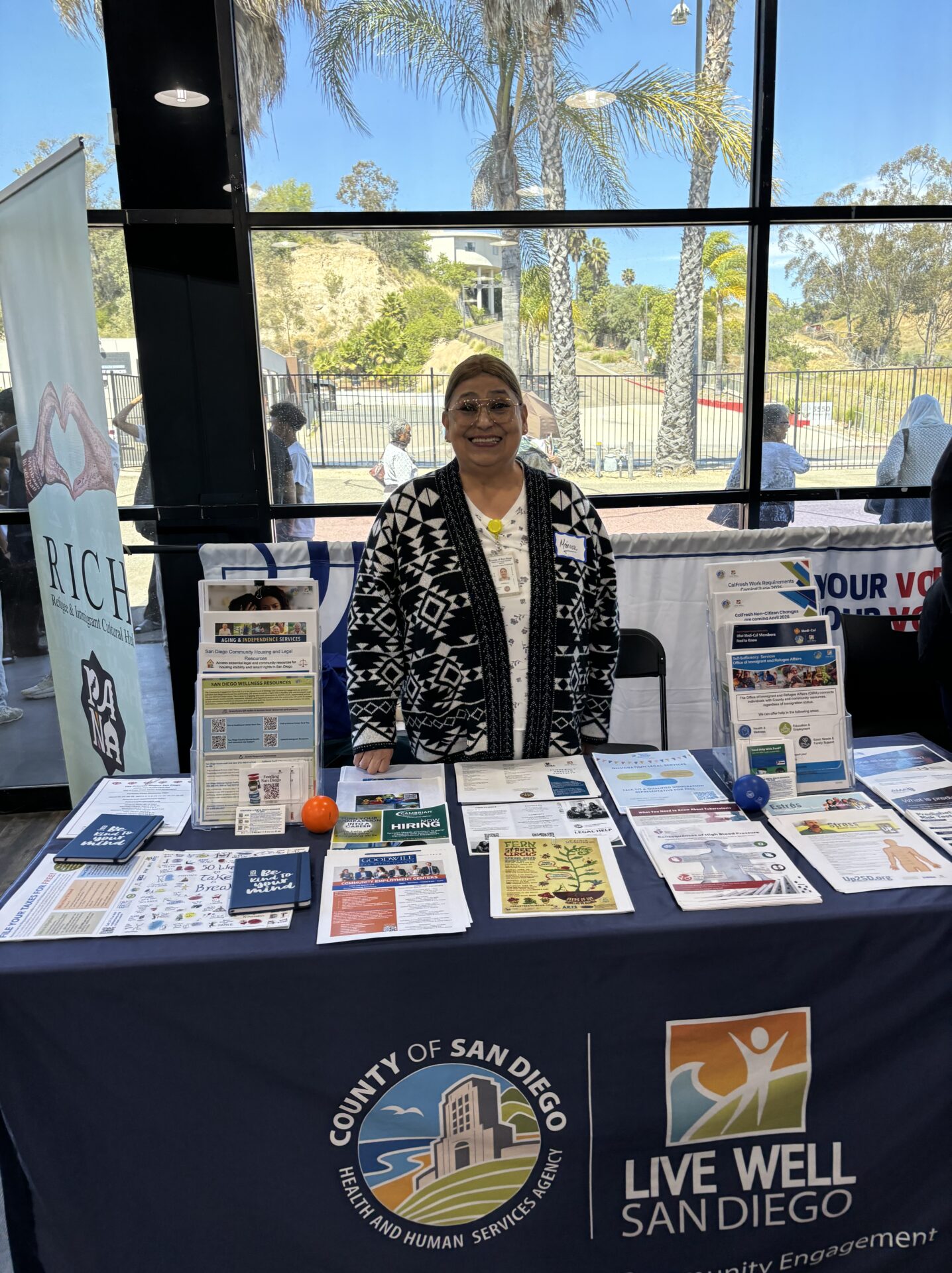
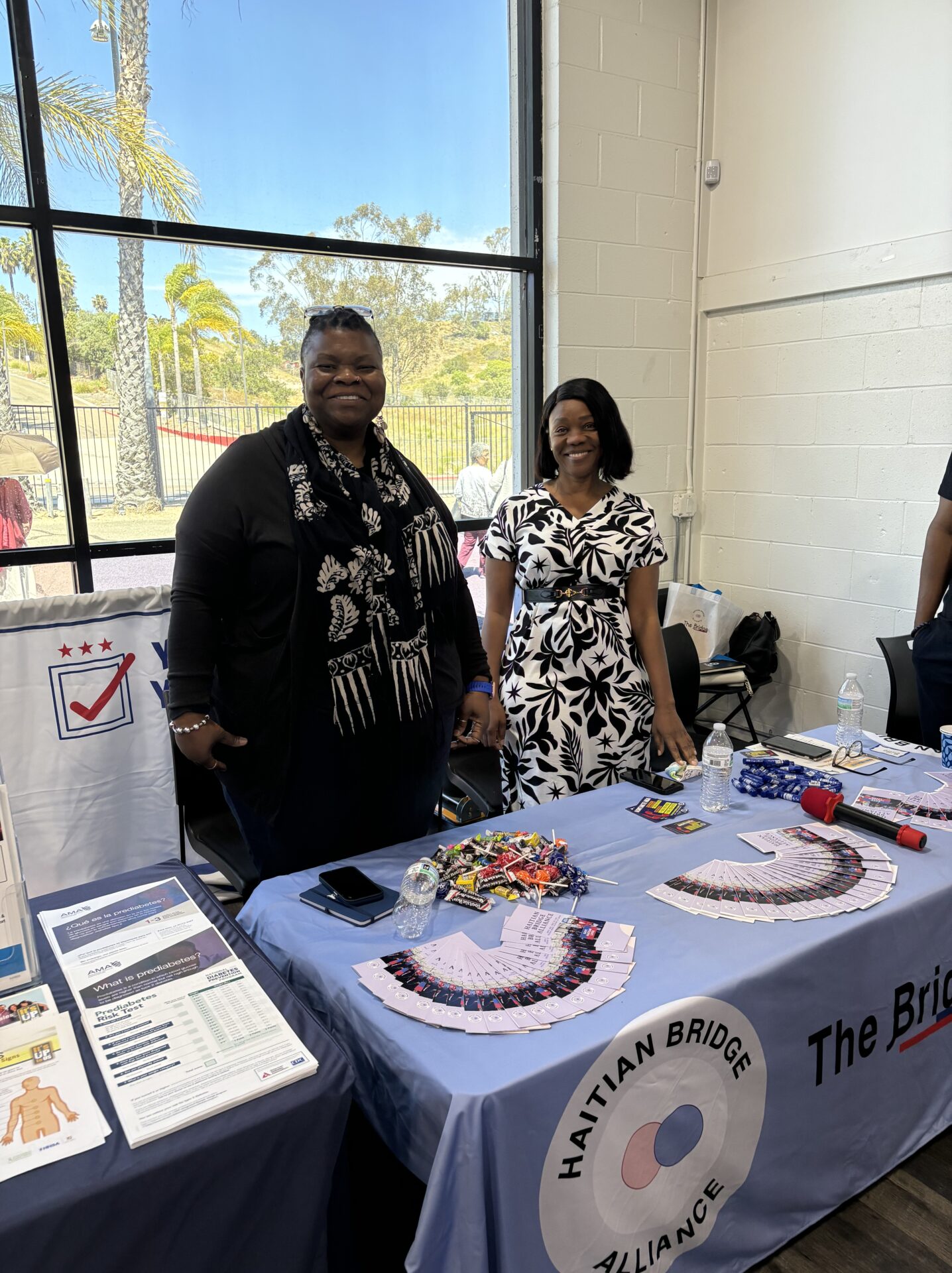
Seven organizations participated in tabling throughout the event, including representatives from the County, BUILD Health, Legal Aid Society, and CPEHN – along with SDRCC partner organizations Holistic Afghan Women’s Association (HAWA), Haitian Bridge Alliance (HBA) and Project AMEA. Each table provided critical information, services, and pathways to support, ensuring that attendees could leave not only informed, but also connected to tangible next steps.
Centering Community Voice and Storytelling
A defining feature of the town hall was its commitment to storytelling as a form of bidirectional learning and belonging. Community members were invited to share their experiences and reflections on how Medi-Cal changes are impacting their families and communities.
Stories were shared in multiple ways: spoken aloud during the gathering, submitted digitally, and written on postcards. These narratives reflected both the urgency and the resilience of the community, offering powerful testimony to the real-life implications of policy decisions.
“Medi-Cal gave me a chance to be healthy when I immigrated here. I am grateful for that. I am able to take more care in every aspect – women’s health specifically… I was able to get immunization, shots, check-up, eyeglasses, dental, and I was able to pursue my job and university studies. I hope Medi-Cal can still continue to provide [for me], so I can continue to work and support my community. I hope one day I can contribute back to others who need Medi-Cal.” – Townhall participant
“My family has benefited from Medi-Cal coverage for many years. My two younger children had surgery at Rady Children’s Hospital that improved their quality of life tremendously. Without coverage, they would not have been able to receive this surgery. My son also has autism, and Medi-Cal has helped him receive all the therapy he needs in order to live a productive life. For me, Medi-Cal is a source of not only health care, but also a source of community services like the Health and Wellness workshop. It allows me to connect to my community.” – Townhall participant
“My parents were deceased at a young age. My grandmother took me in until I became homeless at the age of 18. Since then, I have used [Medi-Cal] and it has been a major support to allow me to live on my own. I would recommend any of those who live in San Diego or California in general to enroll Medi-Cal if they can.” – Townhall participant
These stories will continue to serve as a critical reminder that behind every policy change are families, caregivers, elders, and children navigating its effects in real time.
Building Connection Through Collective Action
The Our Health, Our Home town hall reaffirmed a shared commitment across organizations and community members that health care is not only a policy priority, but a deeply personal and collective one. By bringing together service providers and residents in one space, the event strengthened ongoing efforts to ensure that immigrant and refugee communities are not only heard, but actively shaping the systems that affect them.
As conversations continue and efforts move forward, the voices shared at this gathering remain central, guiding future work toward dignity and access for all.
IMG_0065
IMG_0095
IMG_0102
IMG_0106
IMG_0113
Recent Comments